
Trip at a glance
Duration 6 days / 5 nights
Extra day Horombo
Accommodation Shared mountain huts
Entry / exit Marangu Gate
Price Personalised quotation
Discover Kilimanjaro on the Six-Day Marangu Route
Walk from the forest above Marangu towards the open mountain landscape, stay in the route’s shared huts and approach the summit from Kibo. This six-day programme includes an additional day at Horombo before the ascent to Kibo Hut and the planned summit attempt.
Your journey begins and ends at Marangu Gate. The ascent follows Mandara, Horombo and Kibo; the return retraces the Marangu trail through Horombo and Mandara. Unlike the Machame and Lemosho itineraries on this website, this programme does not descend through Mweka.
Day 3 remains based at Horombo. Your guide may arrange an appropriate acclimatisation walk, often towards the Zebra Rocks area, followed by a return to the huts. The precise outing depends on conditions and the group; there is no compulsory viewpoint to reach.
The summit attempt is planned for Day 5, usually beginning overnight from Kibo. The ascent reaches the crater rim via Gilman’s Point, with continuation towards Uhuru Peak depending on the guide’s assessment. Afterwards, descend through Kibo to Horombo before the final gate exit on Day 6.
Climb Africa Adventures prepares your proposal around your dates, party size and travel needs. These are six mountain days with five hut nights. Town hotels, airport services and arrival or departure days are additional unless listed in your written quotation.
Six-Day Marangu Trek at a Glance
| Trip detail | Proposed arrangement |
|---|---|
| Mountain duration | 6 trekking days / 5 mountain hut nights |
| Starting base | Moshi; collection and transfers as agreed |
| Entry and exit | Marangu Gate on both ascent and descent |
| Accommodation | Shared huts at Mandara, Horombo and Kibo |
| Additional day | Day 3 based at Horombo, with a suitable guided outing and rest |
| Summit approach | Kibo → Gilman’s Point → Uhuru attempt, subject to guide assessment |
| Summit stage | Day 5, followed by descent to Horombo |
| Difficulty | Strenuous high-altitude trekking, with a demanding summit stage |
| Departure style | Private arrangements on request; shared dates only when confirmed |
| Price | Personalised quotation; services and hut arrangements confirmed in writing |
What Makes This Marangu Programme Different?
A hut-based mountain journey
Sleep in the Marangu route’s shared huts instead of using a tented camp sequence. Confirm bedding arrangements and bring or hire an appropriate sleeping bag.
An additional Horombo day
Spend two consecutive nights at Horombo before continuing to Kibo. The additional day allows a guided local programme and rest within the agreed itinerary.
A changing trail landscape
Follow forest paths into more open terrain before crossing the higher landscape towards Kibo. Clear views depend on weather and are never promised.
A return along Marangu
Descend to Horombo after the summit stage, then pass Mandara on the final day. The return uses the same route corridor as the ascent.
Route and Overnight Summary
| Day | Planned route | Main focus | Overnight |
|---|---|---|---|
| Day 1 | Marangu Gate → Mandara Hut | Registration and the forest ascent | Mandara Hut |
| Day 2 | Mandara Hut → Horombo Hut | Climb into open moorland | Horombo Hut |
| Day 3 | Horombo → guided local outing → Horombo | Additional acclimatisation day and rest | Horombo Hut |
| Day 4 | Horombo Hut → Kibo Hut | Higher approach and summit preparations | Kibo Hut; rest before the overnight departure |
| Day 5 | Kibo → Gilman’s Point → Uhuru attempt → Kibo → Horombo | Summit attempt and substantial descent | Horombo Hut |
| Day 6 | Horombo → Mandara → Marangu Gate → Moshi | Final descent, park exit and agreed transfer | Town hotel only when quoted |
This is the proposed sequence. Daily timing, local outings and summit continuation depend on conditions and guide decisions. No fixed-hour gate arrival or summit sunrise is guaranteed.
Detailed Six-Day Marangu Itinerary
Day 1 Marangu Gate to Mandara Hut
Begin with the gate formalities
Meet your team at the agreed collection point and travel to Marangu Gate. Complete the required registration and follow the briefing before starting the trail. Keep your waterproof layer, drinking water and personal essentials accessible in your daypack.
Walk through the forest
Settle into the walking rhythm chosen by your guide. The forest approach is a chance to become familiar with your boots, pack and the mountain routine. Roots, steps and wet surfaces can require attention; pause for photographs only where appropriate.
Settle into Mandara
On arrival, follow the hut allocation and meal arrangements. Organise your sleeping bag and clothing, keep shared spaces tidy and prepare your equipment for the following stage. Any additional local walk depends on time, conditions and guide approval.
Route: Marangu Gate → Mandara Hut.
Main focus: Forest walking and establishing a steady pace.
Overnight: Mandara Hut.
Meals: As itemised in your written mountain meal plan.
Day 2 Mandara Hut to Horombo Hut
Leave the forest behind
After breakfast and packing, continue uphill from Mandara. The surroundings become more open as the route climbs. Keep layers close to hand because the weather can change during the walk.
Follow the mountain trail
Continue at the pace set by your guide, using planned breaks for meals and rest. When conditions are clear, the open terrain can offer broad mountain views. Cloud may obscure the scenery, so enjoy the changing landscape without relying on a particular photograph.
Arrive at Horombo
Settle into the shared huts and discuss the following day’s plan. You will remain based here for an additional night before Kibo. Tell your guide about changes in how you feel and avoid independent outings after arrival.
Route: Mandara Hut → Horombo Hut.
Main focus: The ascent into open mountain terrain.
Overnight: Horombo Hut.
Meals: As itemised in your written mountain meal plan.
Day 3 Additional Day at Horombo Hut
Remain at the same overnight base
Today adds time at Horombo rather than moving directly to Kibo. Follow the morning briefing and the agreed meal schedule. The day is part of the mountain programme, with the guide deciding an appropriate balance of walking and rest.
Take a suitable guided outing
A local acclimatisation walk may head towards the Zebra Rocks area before returning to Horombo. Its length and destination depend on conditions and the group. The day does not automatically include reaching Mawenzi Tarn or climbing a separate peak.
Prepare for the higher stages
Use the remaining time to organise your daypack and warm clothing. Review the approach to Kibo and the summit equipment list with the team. An extra day provides more time in the itinerary but does not remove the possibility of altitude illness.
Route: Horombo → appropriate local outing → Horombo.
Main focus: Guided acclimatisation walk and rest.
Overnight: Horombo Hut, second consecutive night.
Meals: As itemised in your written mountain meal plan.
Day 4 Horombo Hut to Kibo Hut
Continue towards the higher mountain
Leave Horombo after the agreed morning arrangements and follow the trail towards Kibo. The landscape becomes sparse and more exposed. Keep sun, rain and cold-weather protection accessible rather than relying on the weather at departure.
Use a steady approach
Follow the guide’s pace through the higher terrain and take the planned breaks. Today’s goal is to arrive at Kibo ready to rest and prepare, not to race other groups. Discuss any concerns with the team promptly.
Prepare for the overnight attempt
At Kibo, arrange your sleeping space and attend the summit briefing. Check your headlamp, batteries, gloves, warm layers and other essentials. Follow the meal and rest plan before the planned overnight departure; exact timing is set by the guide.
Route: Horombo Hut → Kibo Hut.
Main focus: Higher approach, equipment checks and summit briefing.
Overnight: Kibo Hut; rest before the overnight departure.
Meals: As itemised in your written mountain meal plan.
Day 5 Summit Attempt and Descent to Horombo
Begin the ascent from Kibo
The summit stage usually begins overnight. Follow your guide on the uphill trail towards Gilman’s Point, keeping the group’s agreed rhythm. Darkness, cold and the sustained ascent make this a demanding part of the journey.
Reach the rim only as conditions allow
On reaching the crater rim, the guide assesses whether to continue towards Uhuru Peak. Reaching Gilman’s Point does not guarantee continuation. Weather, time, individual condition and the overall situation can require a turnaround or an earlier descent.
Return through Kibo
After the attempt, descend carefully towards Kibo. Follow the arrangements for a break, meals and collecting equipment before continuing down to Horombo. The descent is substantial, so maintain concentration even after the ascent is over.
Finish at Horombo
Settle into the huts for the final mountain night. Follow the evening plan and prepare for the next day’s descent. The aim is to complete the entire journey under the guide’s direction rather than judging the day only by a summit photograph.
Route: Kibo → Gilman’s Point → Uhuru attempt → Kibo → Horombo.
Main focus: Summit attempt and a long descent.
Overnight: Horombo Hut.
Meals: As itemised in your written mountain meal plan.
Day 6 Horombo to Marangu Gate and Moshi
Return past Mandara
After breakfast, pack your belongings and descend along the Marangu trail. Pass through the changing vegetation towards Mandara and the forest below. Continue to watch your footing, especially on wet or uneven surfaces.
Complete the park exit
At Marangu Gate, follow the required exit procedures and meet the agreed transfer. Arrival time varies with conditions and group progress. Do not rely on a fixed early arrival when planning onward travel.
Return to your agreed base
Travel to Moshi or the destination specified in your proposal. Town accommodation, airport transfers and recovery activities are included only when quoted. Leave practical time for rest before another demanding trip or an onward flight.
Route: Horombo → Mandara → Marangu Gate → agreed town transfer.
Main focus: Final descent and completion of the mountain programme.
Overnight: Town hotel only if included.
Meals: As itemised in your written mountain meal plan.
Five-Day or Six-Day Marangu?
| Planning point | This 6-day programme | 5-day Marangu |
|---|---|---|
| Mountain duration | 6 days / 5 hut nights | 5 days / 4 hut nights |
| Additional day | Day 3 remains based at Horombo | No separate Horombo acclimatisation day |
| Approach to Kibo | Day 4 | Day 3 |
| Summit attempt | Planned on Day 5 | Planned on Day 4 |
| Accommodation style | Shared mountain huts | Shared mountain huts |
| Return route | Marangu via Horombo and Mandara | Marangu via Horombo and Mandara |
The difference is a full mountain day and an additional Horombo overnight. Neither version guarantees acclimatisation or a summit. Review the actual itinerary and your preparation rather than choosing by the title alone.
Compare 5 Days Marangu Route →From Forest Paths to the Higher Mountain
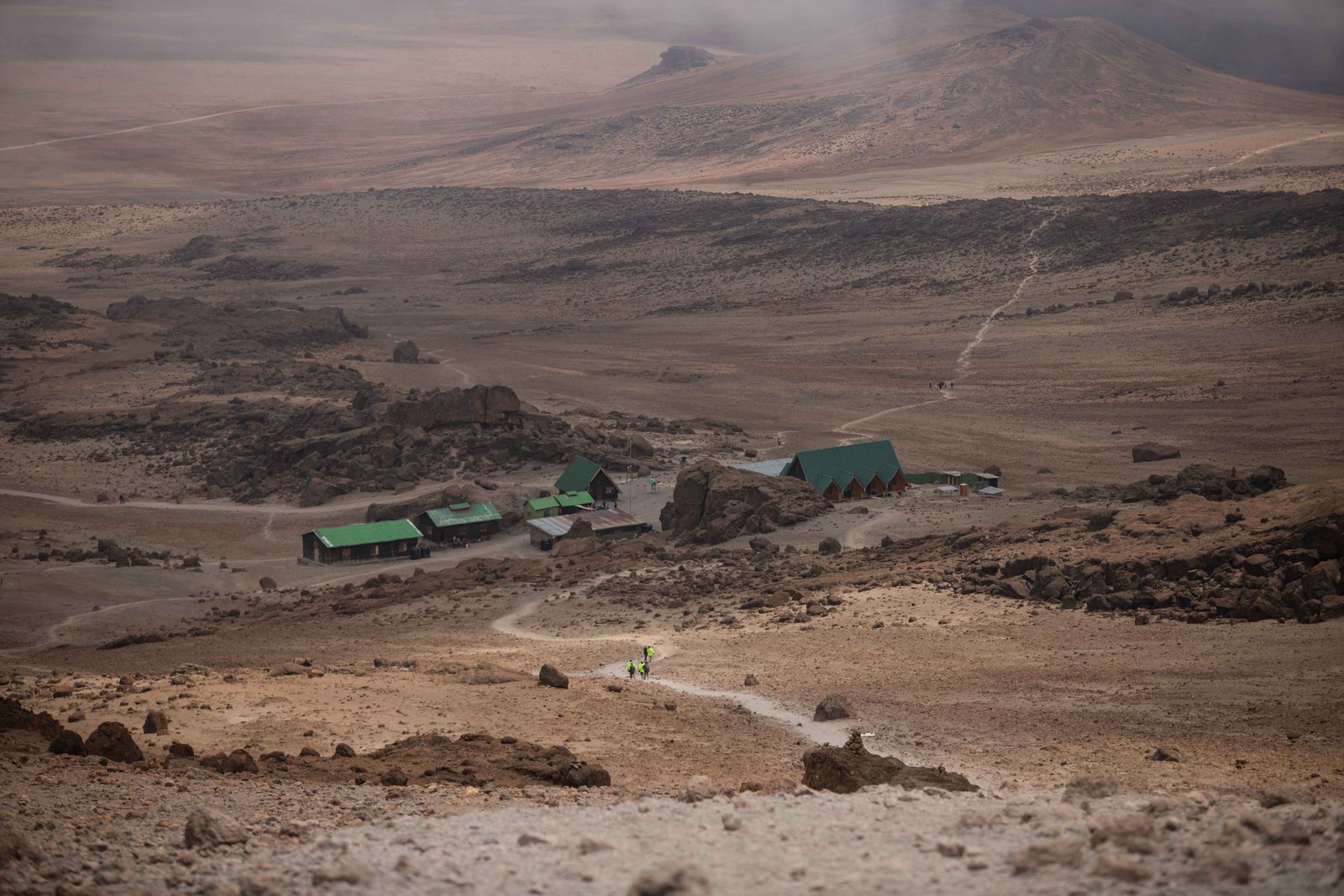
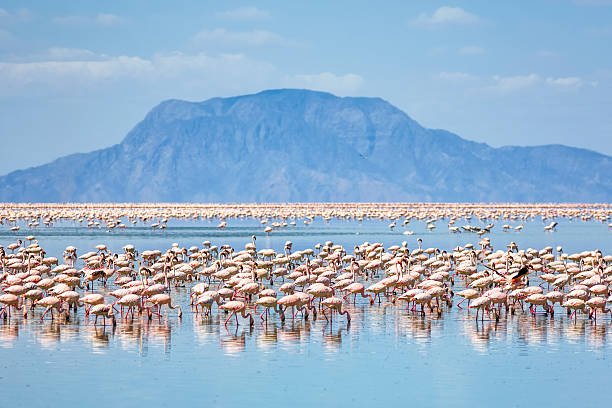
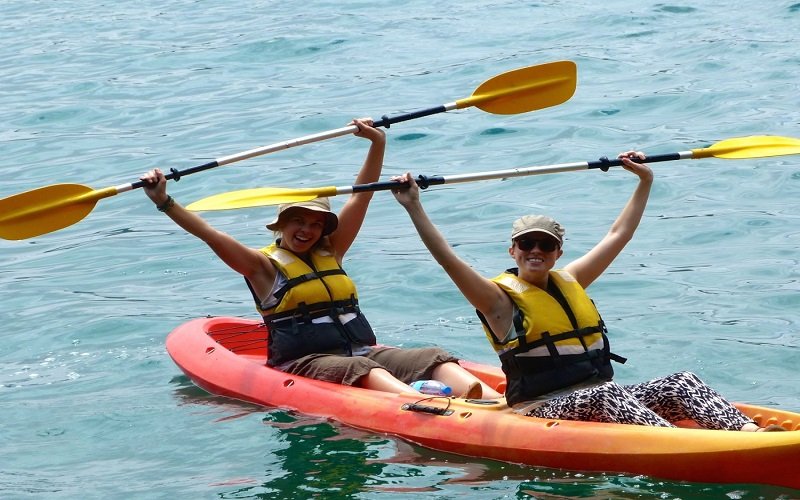
Images illustrate the journey. Views, hut allocation, weather and trail conditions vary; photographs do not guarantee a particular summit experience.
Five Nights in Shared Mountain Huts
| Night | Planned hut | What to expect in the itinerary |
|---|---|---|
| Night 1 | Mandara | First overnight after the forest ascent |
| Night 2 | Horombo | Arrival before the additional mountain day |
| Night 3 | Horombo | Second consecutive night at the same base |
| Night 4 | Kibo | Rest before the overnight summit attempt |
| Night 5 | Horombo | Final mountain night after descending from Kibo |
| Before / after trek | Town accommodation, if quoted | Separate from the six mountain days |
Shared sleeping arrangements
Huts provide a different sleeping arrangement from the tented routes, but they are basic mountain facilities. Sharing, space and available facilities depend on the allocated accommodation. Private rooms, hot showers and hotel-style services are not promised.
Sleeping equipment
Confirm sleeping bag requirements, available bedding and any rental equipment before booking. Keep personal valuables and small essentials organised in a compact bag so shared spaces remain usable.
Availability and confirmation
Ask for the hut arrangements and services to be confirmed in the written proposal. This page describes an itinerary and does not itself reserve accommodation.
A Typical Day on the Marangu Trail
Morning preparation
Pack according to the briefing, keep the day’s essentials accessible and follow the breakfast and departure plan. The mountain team explains the stage and any practical changes before walking.
Walking and breaks
Follow the guide’s pace and stay with the agreed group arrangements. Meal stops and rest breaks are planned around the day’s stage and conditions; a fixed arrival time is not part of the promise.
Afternoon at the huts
Settle into your assigned space, organise clothing and equipment, and follow the arrangements for meals and rest. Additional outings take place only when appropriate and approved by the guide.
Evening briefing
Review the following day, ask practical questions and report changes in how you feel. Kibo follows a different routine because rest, a final equipment check and the overnight summit departure replace a normal full night’s sleep.
Meals and Practical Hut Arrangements
| Planning point | What to confirm |
|---|---|
| Mountain meals | Which breakfasts, lunches and dinners are included, especially on the first and final days |
| Dietary needs | Share requirements before booking so the team can review practical arrangements |
| Drinking water | Confirm the supply and treatment arrangements in the proposal |
| Personal snacks | Ask what is provided and what you should carry yourself |
| Shared facilities | Follow hut routines and keep personal belongings organised |
| Charging and connectivity | Do not rely on guaranteed power sockets or mobile coverage |
What to Confirm in Your Quotation
The following is a booking checklist rather than a claim that every service is automatically included. Your written quotation determines the actual package.
Services to itemise in the package
- Six-day Marangu mountain programme and guiding arrangements.
- Applicable park, hut and other required charges.
- Five shared hut nights on the stated route.
- Mountain support team and agreed luggage arrangements.
- Mountain meals and drinking-water arrangements.
- Agreed collection, Marangu Gate transfers and return transport.
- Pre-trek briefing and equipment review.
Extras and exclusions to review
- International and domestic flights.
- Travel documentation and personal insurance.
- Town hotels and airport transfers unless listed.
- Sleeping bags, trekking poles and personal equipment unless included.
- Personal expenses, optional activities and gratuities.
- Additional services or costs arising from changed arrangements, as governed by the booking terms.
- Safaris, Zanzibar stays and other extensions unless quoted separately.
Ask what support is included if the itinerary changes, what insurance arrangements you need and which costs remain your responsibility. Read the payment and cancellation terms before confirming.
Information Needed for Your Marangu Quotation
| Planning detail | What to share |
|---|---|
| Dates | Preferred mountain starting date and arrival plans |
| Group | Number of trekkers; private or shared preference |
| Background | Recent trekking experience and any previous high-altitude travel |
| Hut programme | Confirm the six mountain days and additional Horombo night |
| Equipment | Sleeping bag, clothing and other rental requirements |
| Town services | Collection address, hotel nights and airport transfer requests |
| Personal needs | Dietary requirements and essential requests to discuss before travel |
Request a clear written total with the route, dates, services, exclusions and booking terms. No fixed price or confirmed group departure is announced on this page.
Packing for a Hut-Based Kilimanjaro Trek
| Equipment group | Examples to prepare | Practical purpose |
|---|---|---|
| Footwear | Broken-in trekking boots, suitable socks and optional gaiters | Comfort and traction on changing surfaces |
| Layered clothing | Base layers, insulating layers and warm outerwear | Adjust clothing as temperature and effort change |
| Weather protection | Waterproof jacket and trousers; suitable sun protection | Prepare for rain, wind and exposed sections |
| Hands and head | Warm gloves, warm hat and sun hat | Protection during cold and exposed stages |
| Sleeping | Suitable sleeping bag and personal sleep items | Huts do not replace personal cold-weather preparation |
| Lighting | Headlamp and spare batteries | Overnight summit stage and hut use |
| Daypack | Water containers, essentials and waterproof organisation | Keep what you need accessible during the walk |
| Personal items | Toiletries, waste bags and individual necessities | Manage shared facilities and minimise waste |
The final equipment list should be reviewed with the team before travel. Confirm rental availability and sizing in advance. Charging facilities are not guaranteed; plan any necessary power supply separately.
Preparing for the Whole Journey
Build walking endurance
Prepare for consecutive trekking days and a long descent, using your boots and daypack before travel. Hut accommodation changes where you sleep; it does not remove the physical demands of the mountain.
Understand the Horombo day
The additional day is part of the six-day programme. Its outing is chosen for the circumstances rather than treated as a mandatory race to a named landmark.
Communicate with the guide
Raise concerns early and tell the guide promptly when you feel unwell. Individual medical questions should be discussed with a qualified clinician before travel. Follow the team’s decisions about continuing, turning around or descending.
Allow practical travel margins
Coordinate your arrival briefing and equipment check before Day 1. Leave realistic time after the final descent before flights or another demanding activity, and confirm town arrangements separately.
Thoughtful Trekking and Shared-Hut Etiquette
- Keep sleeping and dining areas tidy and respect other guests’ rest.
- Stay on the agreed route and follow park and guide instructions.
- Carry personal waste as directed and use the designated facilities.
- Ask before photographing mountain staff or other travellers.
- Keep valuables and small items organised so communal spaces remain clear.
- Avoid independent walks around the huts, especially after dark.
Compare Other Kilimanjaro Itineraries
Frequently Asked Questions
Are these six mountain days?
Yes. Arrival days, town hotels and airport transfers are separate unless expressly included in your quotation.
Where is the additional day spent?
Day 3 remains based at Horombo, with an appropriate guided outing and rest before another night there.
Is the Zebra Rocks walk guaranteed?
No. The guide selects a suitable outing according to the group and conditions. A specific viewpoint or distance is not promised.
Do we sleep in tents?
This proposal uses shared Marangu huts at Mandara, Horombo and Kibo. Confirm allocation and personal sleeping equipment before booking.
Are the huts private hotel rooms?
No. They are shared mountain accommodation with basic facilities. Private rooms and hotel-style services are not promised.
Which way do we approach the summit?
The proposed summit ascent starts from Kibo and reaches the crater rim via Gilman’s Point. Continuation towards Uhuru depends on the guide’s assessment.
Do we descend through Mweka?
No. This itinerary returns through Horombo and Mandara to Marangu Gate.
Does the additional day guarantee acclimatisation?
No. More time in the itinerary does not eliminate altitude illness or guarantee a summit. Follow guide decisions and communicate promptly if you feel unwell.
Is summit day also a descent day?
Yes. Day 5 combines the summit attempt with a descent through Kibo to Horombo, making it a demanding stage.
Can sleeping bags and other equipment be hired?
Ask before booking. Availability, sizing, charges and the exact items must be confirmed in the quotation.
Are shared group dates confirmed here?
No. Enquire about availability. This page describes the route and does not announce a reserved group departure.
Does the form book the trek immediately?
No. It prepares a message for the configured WhatsApp or email channel. Send it in that application; booking follows an agreed written proposal and its terms.
Plan Your Six-Day Marangu Trek
Share your preferred dates, group size and trekking background. Tell us about equipment rental, town hotels and airport transfers so we can prepare a clear proposal for your hut-based Kilimanjaro journey.
Request My Marangu Quote →